
Bog Gardening
Why You Should Consider Building a Bog Garden
Many articles are titled the ’10 best’ of this or the ‘8 things you should know about’ that and then you have to work your way through the article to see all the points they are making. Not here. I am going to be upfront with the two reasons you you should consider bog gardening. If this catches your attention, keep reading and see if you agree with me.
Reason #1 Bog gardens can be incredibly beautiful with an amazing array of diverse and stunning flowers and plants that will add a unique, joyful and fascinating feature to your garden.
Reason #2 They are not that difficult to build and maintain.
What is a Bog?
A bog in nature is a type of wetland. Natural bog conditions are characterized by slow-moving water and high levels of organic matter. They are home to a unique set of bog plants and animals, and can be found in locations all over the world. Often mistaken for swamps or marshes, bogs are actually quite different. Here are the main differences.
Bogs receive their water supply primarily from precipitation, such as rain and snow. They are dominated by peat-forming plants such as sphagnum moss and are characterized by acidic water and low nutrient levels. They are excellent filters for purifying water. In the UK, 43% of the population receives drinking water sourced from bogs.
A swamp, on the other hand, is a type of wetland that receives its water from a nearby river or lake and has a higher nutrient level. Swamps are typically dominated by trees, shrubs, and other vegetation, and the water in a swamp is less acidic than in a bog.
Plants for a Bog Garden
Bog gardens can support a variety of bog plants that are adapted to grow in moist, acidic environments. Some of the most common types of plants that can grow in a bog garden include:
Carnivorous plants:
Bog gardens are ideal for growing carnivorous plants such as Venus Flytraps, Sundews, and Pitcher Plants. These plants are adapted to growing in nutrient- poor environments and get their nutrients from the insects they capture.

Lilies:
Lilies, including water lilies are well-suited to growing in bog gardens because they prefer stagnant water and moist soil. They are also very hardy and come in a tremendous variety of colors. Dragonflies and damselflies are attracted to lilies.
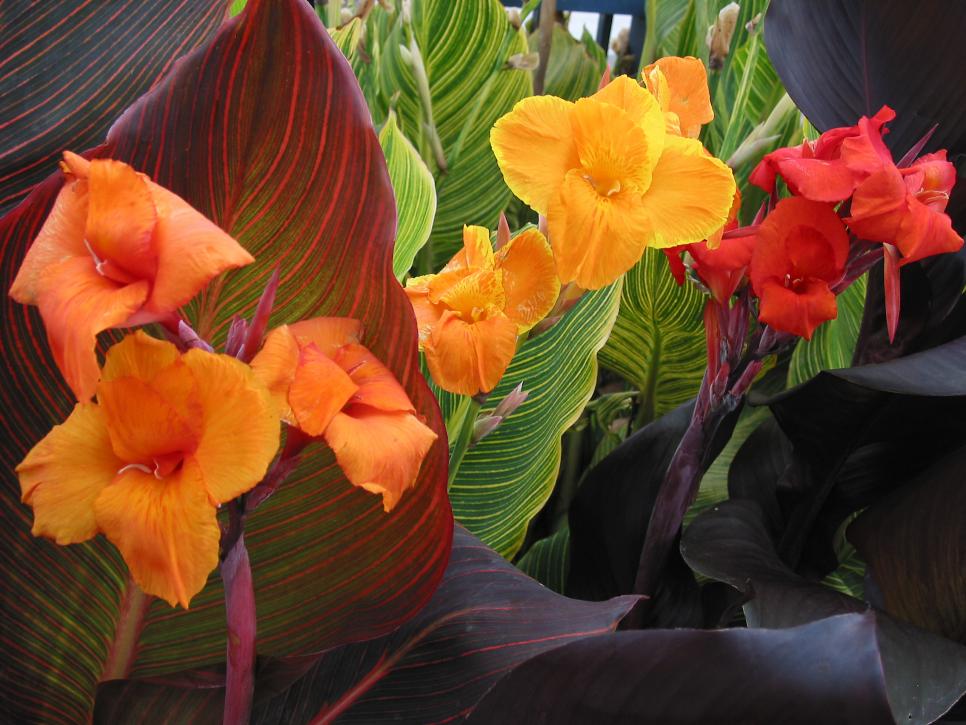
Cattails:
Cattails are common in bog gardens because they are able to tolerate damp conditions and grow tall providing shade for other plants and shelter for a variety of wildlife species.
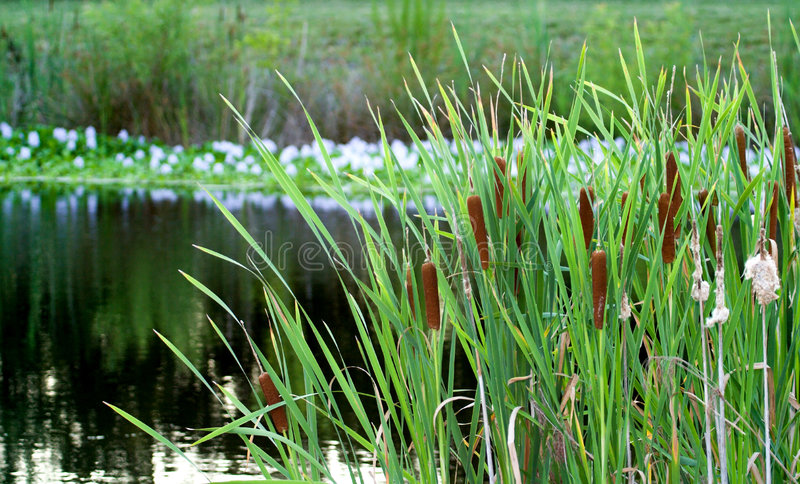
Sedges:
Sedges are another type of plant well-suited for growing in bog gardens. They have narrow, grass-like leaves and are often used as a ground cover.
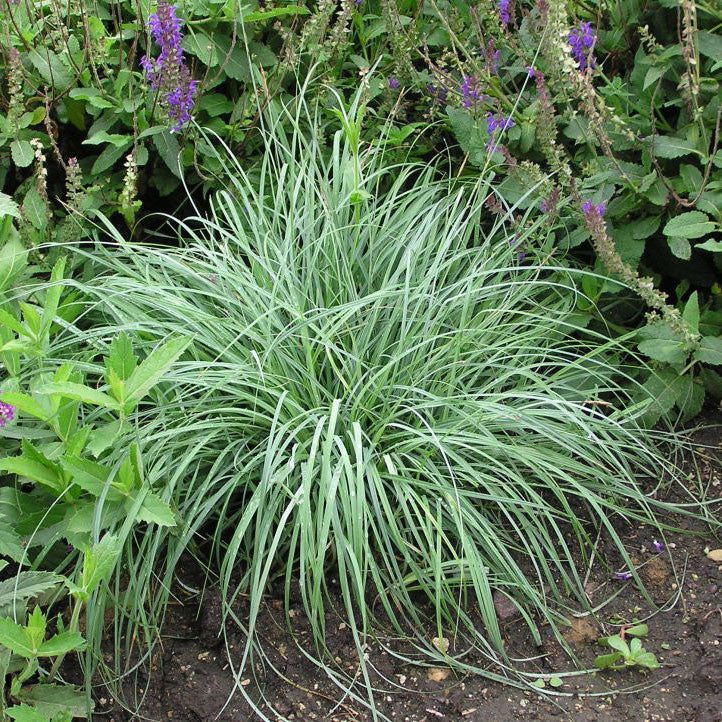
Iris:
Iris is a popular choice for bog gardens because they are able to tolerate damp conditions. They come in a variety of colors and sizes and are very hardy, providing long-lasting displays of flowers.
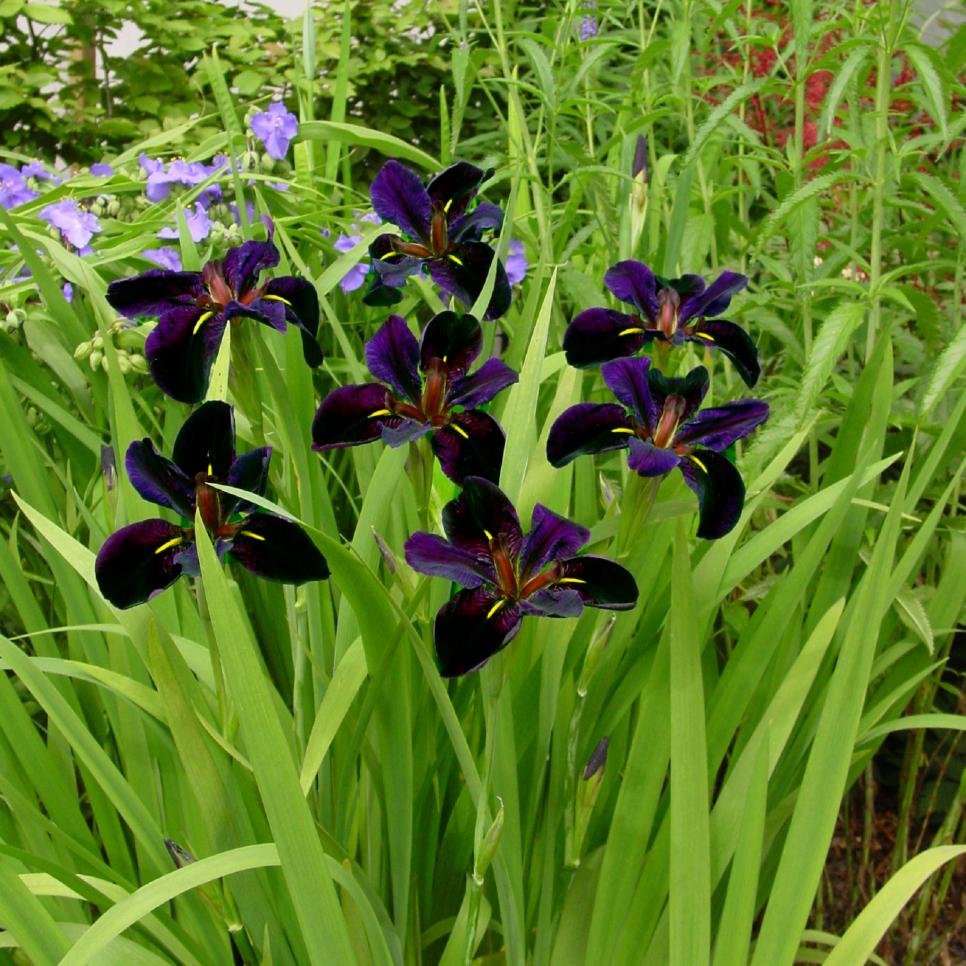
Ferns:
Ferns are great for bog gardens. They are well-adapted to growing in damp environments and provide an attractive foliage display.
It’s important to keep in mind that bog garden plants require a certain amount of care and attention to stay healthy and thrive. Select plants that are well-suited for a bog gardens and for your growing zone.
Examples of Bog Gardens
While bogs in nature typically are not adjacent to ponds or lakes, you can incorporate a water feature into your bog garden. Here are some examples of a bog garden.
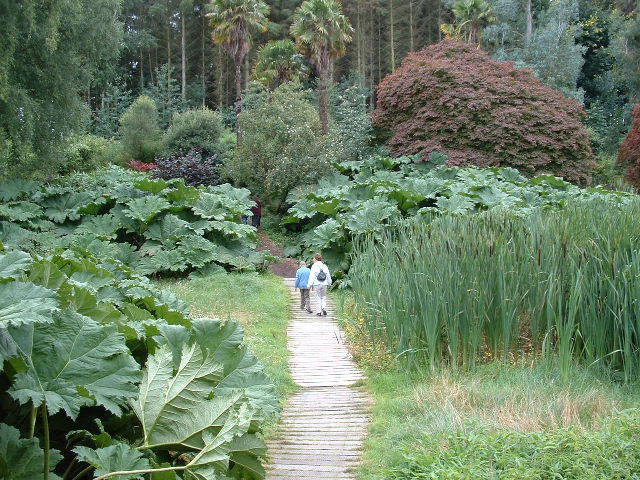

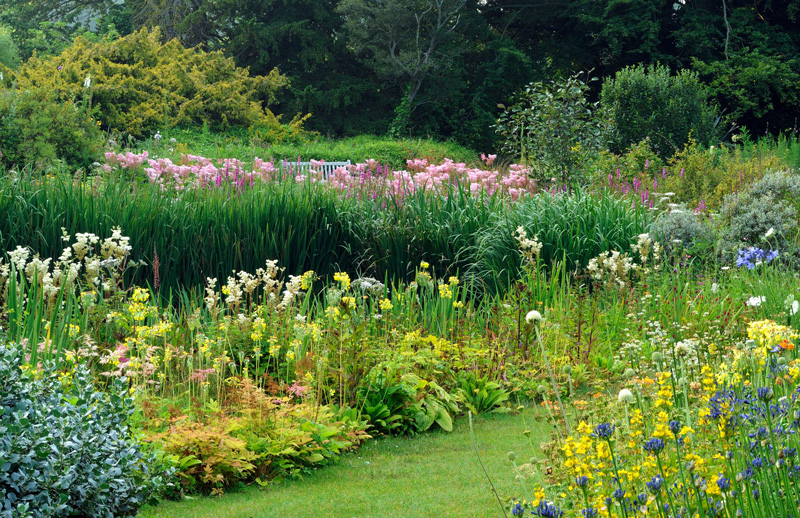

A General Guide to Building a Bog Garden
While it does take a bit of work, there is nothing about putting together a bog garden that requires a great amount of skill. Here are some steps to take.
Step 1: Choose a location. Bogs need to be in a place that is consistently damp. Depending on your zone you may need full sun or partial shade. They can be close to a water garden.
Step 2: Excavate the area. Use a shovel or other digging tool to remove the soil and other debris from the area. The area should be at least 2 feet deep and with a width wide enough to hold the plants you want to grow.
Step 3: Line the bog. Use a pond liner or other type of butyl liner to line the bottom and sides of the hole you have excavated. Make sure the liner is tucked in well and there are no wrinkles or air bubbles. A few drainage holes may be beneficial.
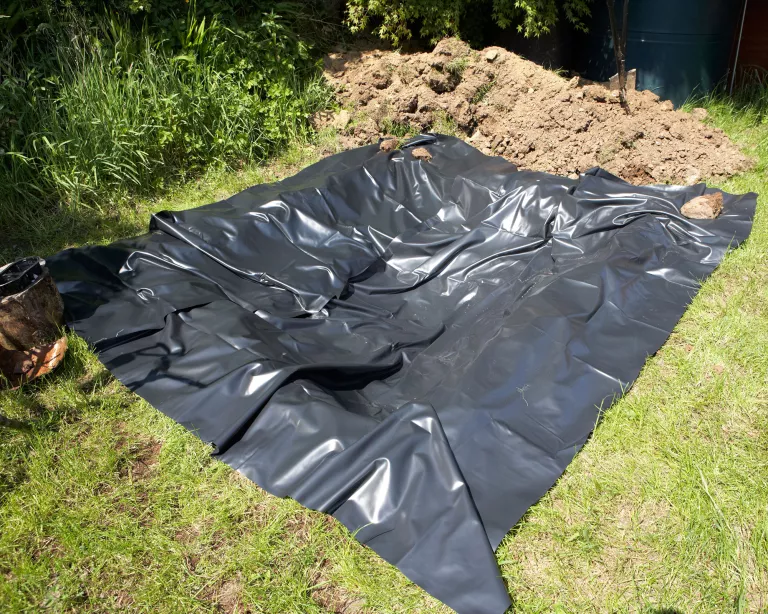
Step 4: Fill the bog. Fill the bog with a mixture of peat moss, sand, and acidic soil. You can purchase peat moss at most garden centers. Mix the ingredients together well before filling the bog.
Step 5: Pay attention to drainage. Too much standing water and the plants may rot, but you cannot let them dry out either.
Step 6: Add a boardwalk if the garden is a a good size. It is not good to step directly on the bog, and that goes for pets as well.
Step 7: Plant the bog with a variety of moisture-loving plants. Be sure to space the plants out well and to provide them with enough room to grow.
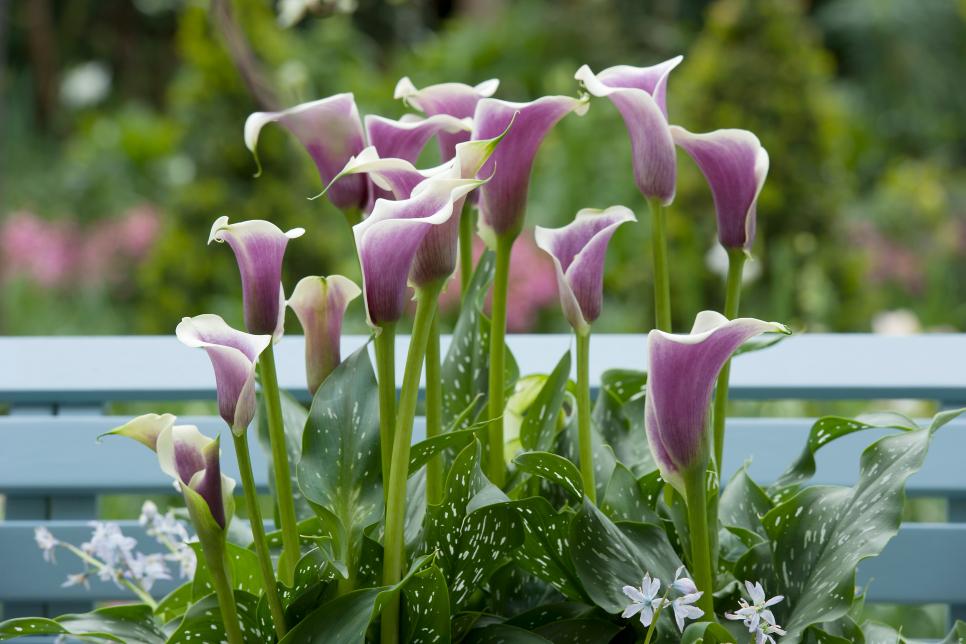
Step 8: Maintain the bog. To maintain the bog garden, make sure to keep the water level constant and maintain a consistently moist environment. Remove any that show signs of disease or pests. Sometimes it can take a few years for the plants to establish themselves.
Design Tips for Bog Gardens
Here are some tips to help you create a stunning and functional bog garden:
- Plan the layout: Plan the layout of the bog garden by considering the size and shape of the area, the types of plants you want to grow, and the overall look you want to achieve.
- Choose the right plants: Select plants that are well-suited to growing in bog gardens and have similar growing requirements. Consider color, texture, height, and bloom time when choosing plants.
- Create interest with hardscaping: Incorporate hardscaping elements, such as stones, rocks, or wood, into the design to add interest and create a cohesive look.
- Make use of water features: Consider adding a small water feature, such as a fountain or a pond, to add visual interest and provide a habitat for wildlife.
- Consider the view: Consider the view from different angles, including the surrounding landscape, when designing the bog garden. You may want to plant taller plants or incorporate hardscaping elements to block views of less attractive areas.
- Pay attention to maintenance: Make sure to include a pathway or access to the bog garden for easy maintenance. If the bog garden is difficult to access, maintenance will suffer.
Conclusion
By having a bog garden, you can create a unique and attractive landscape, support wildlife, and maybe even help control excess water, if that is a problem you have. You are adding a different habitat, which will attract a more diverse range of wildlife. Whether you are a nature lover, a gardener, or simply someone who appreciates a unique and beautiful landscape, a bog garden can provide a source of enjoyment and satisfaction for years to come.
Leave a Reply